What I make
Two client projects from my time at GUT, and an app I built for knitters.
Intelligent Personas
Microsoft Surface
Microsoft wanted to understand how people choose a premium device. So we built personas the team could ask questions directly, whenever they needed an answer.
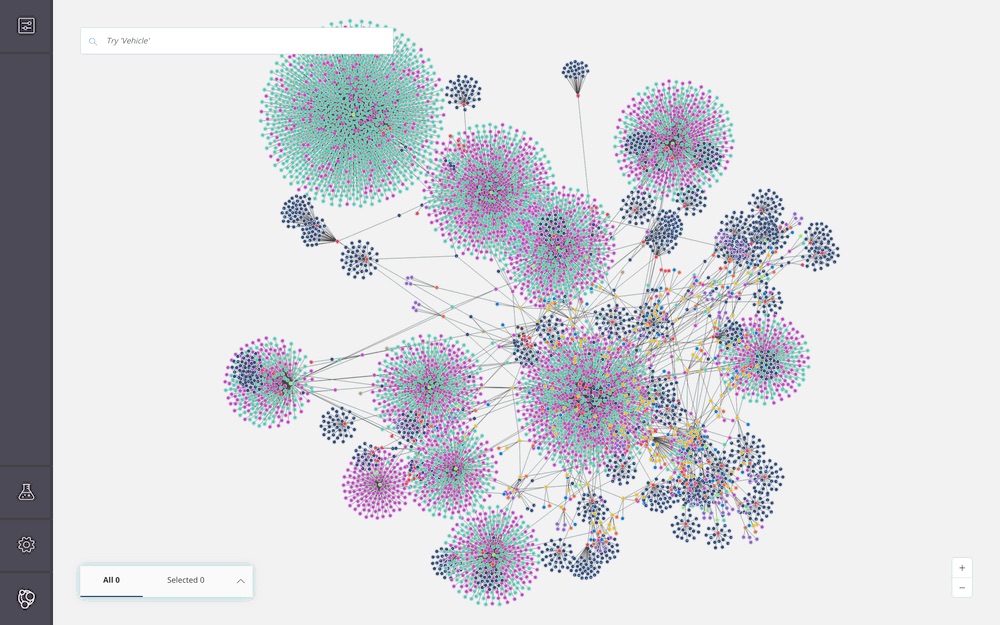
For premium devices, most people have made up their minds long before they reach the checkout.
We saw that in the data first. Traditional research moves too slowly to catch people while they are still deciding.
So we changed how we did the audience research. We built three synthetic audiences a stakeholder can ask questions directly, and updated them every year the program ran, so nobody was working from a slide deck that was three years old.
Listening before the purchase
I based the research on more than 100,000 social posts and two surveys I designed, each with over 500 respondents, so we could hear from people while they were still deciding.
What I took from it. We realized that static persona decks are no longer the best we can do, so we had to shift how we deliver strategies.
Payments in Transition
ACI Worldwide
A global, co-branded thought leadership study for ACI Worldwide on how ready payments leaders are for the changes in their industry.
Enterprise fintech buyers were confident they were ready, but their infrastructure was behind. I found that gap and built the strategy on it.
The whole campaign was built on that gap. It let ACI reach buyers who didn't know they had a problem yet, and gave them a reason to act.
As lead strategist I developed the storyline and analyzed the data to find that gap, then worked with copy, design and development through sprints and release so it launched as something people could use.

Survey questions built around behavior
Most corporate surveys ask executives what they do, and they get the polished answer. These questions asked about risk and what executives were afraid of losing, which got closer to what worried them.
What I took from it. I loved letting the data decide what the content should be. The survey told us what the report needed to say and who needed to hear it, and the same study gave CROs and CIOs two different reasons to read it.
ktog
Knit together. A social app I built for knitters
Follow your PDF patterns a step at a time, bring your library over from Ravelry, and keep your friends in the Loop on what's on your needles.
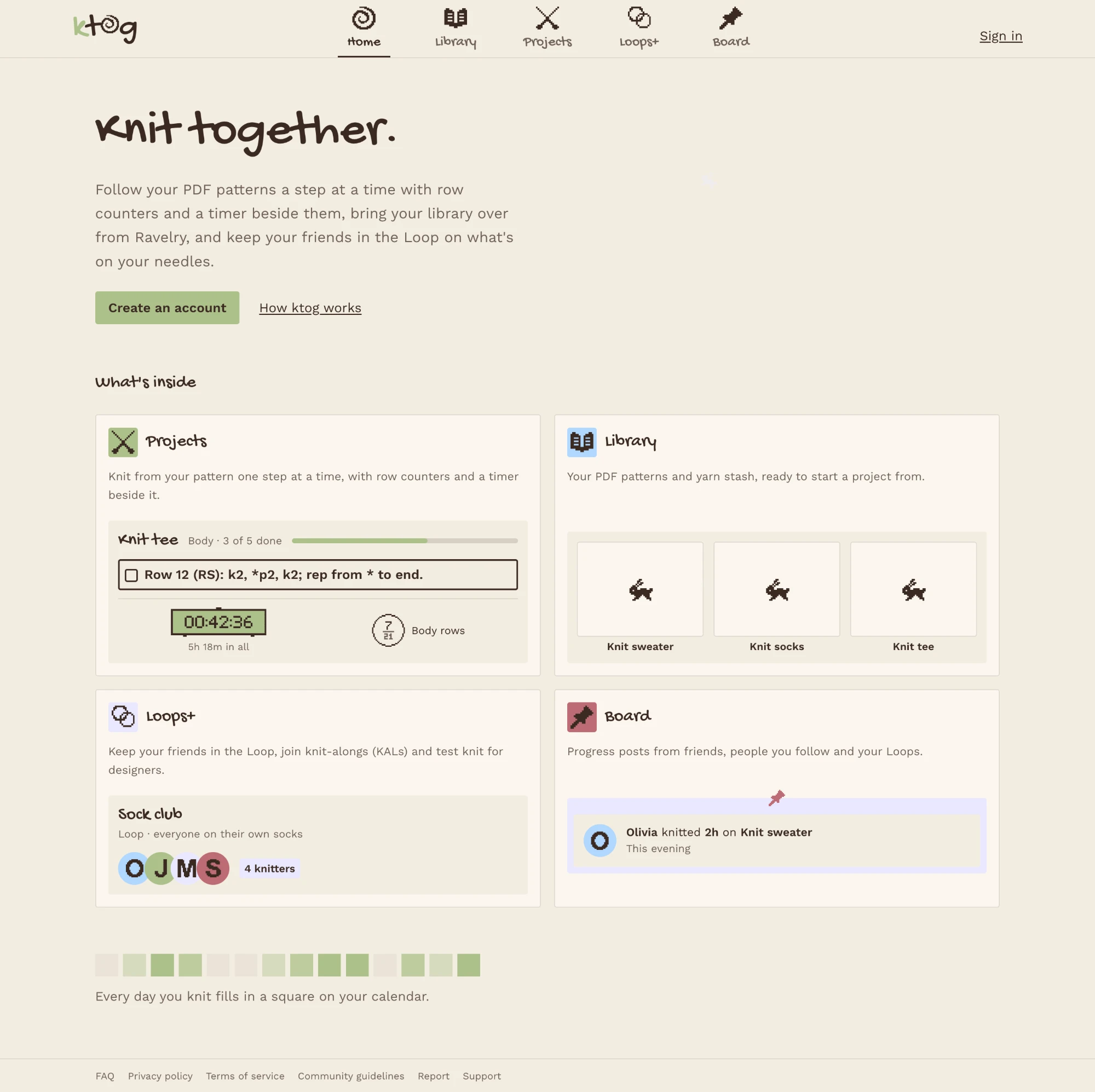
ktog is for knitting with your friends.
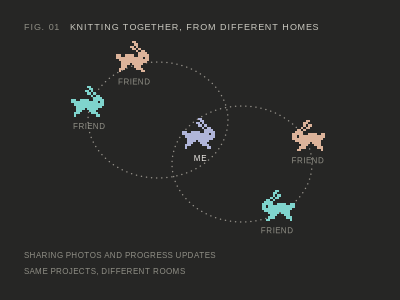
I knit most evenings, and knitting with friends is more fun. That usually means being in the same room, which doesn't work when your friends live in other countries. In ktog you share photos of what you're making, and your friends get automatic updates as you make progress, so you can keep each other going from anywhere.
Starting from my own need
I knit most evenings, and knitting with friends is more fun. That usually means being in the same room, which doesn't work when your friends live in other countries. I wanted a way for us to keep each other going from anywhere.
What I took from it. It is a small product, and it has taught me more about how people use a product than most briefs do, because for once I can watch.
There is a lot of fear around AI, but knowing how to use the technology unlocks solutions I couldn't have imagined when I was starting out as a strategist.
Next: Who I am